Complete Guide to Heavy Periods & Iron Deficiency
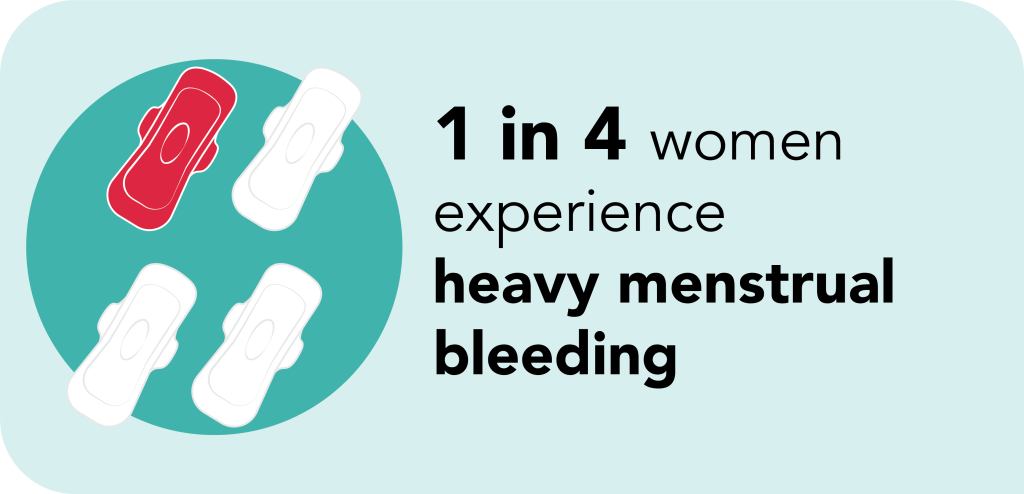
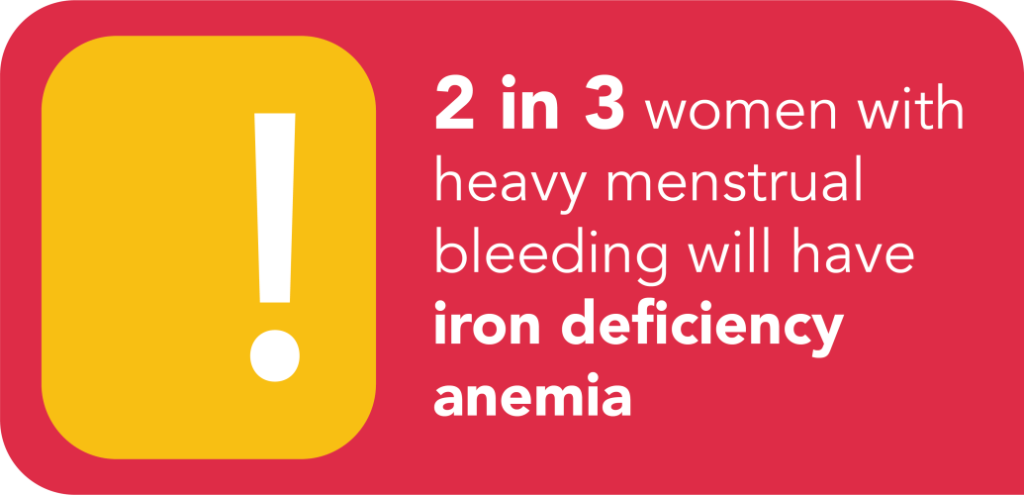
1 in 4 people with a uterus experience heavy periods. Heavy periods (or Heavy Menstrual Bleeding) refers to abnormally heavy or longer than normal periods. Heavy menstrual bleeding can lead to Iron Deficiency Anemia in some people. Both of these conditions can negatively affect a person’s physical, emotional and social well-being.
We are pleased to provide resources below that were created by medical experts. Below, you’ll find information on the treatments for Heavy Menstrual Bleeding and Iron Deficiency Anemia.
What Is Heavy Menstrual Bleeding?
Heavy Menstrual Bleeding (HMB) refers to abnormally heavy or longer than normal periods. It can lead to significant disruptions in people’s daily activities and lifestyle, impacting their physical, emotional and social well-being.
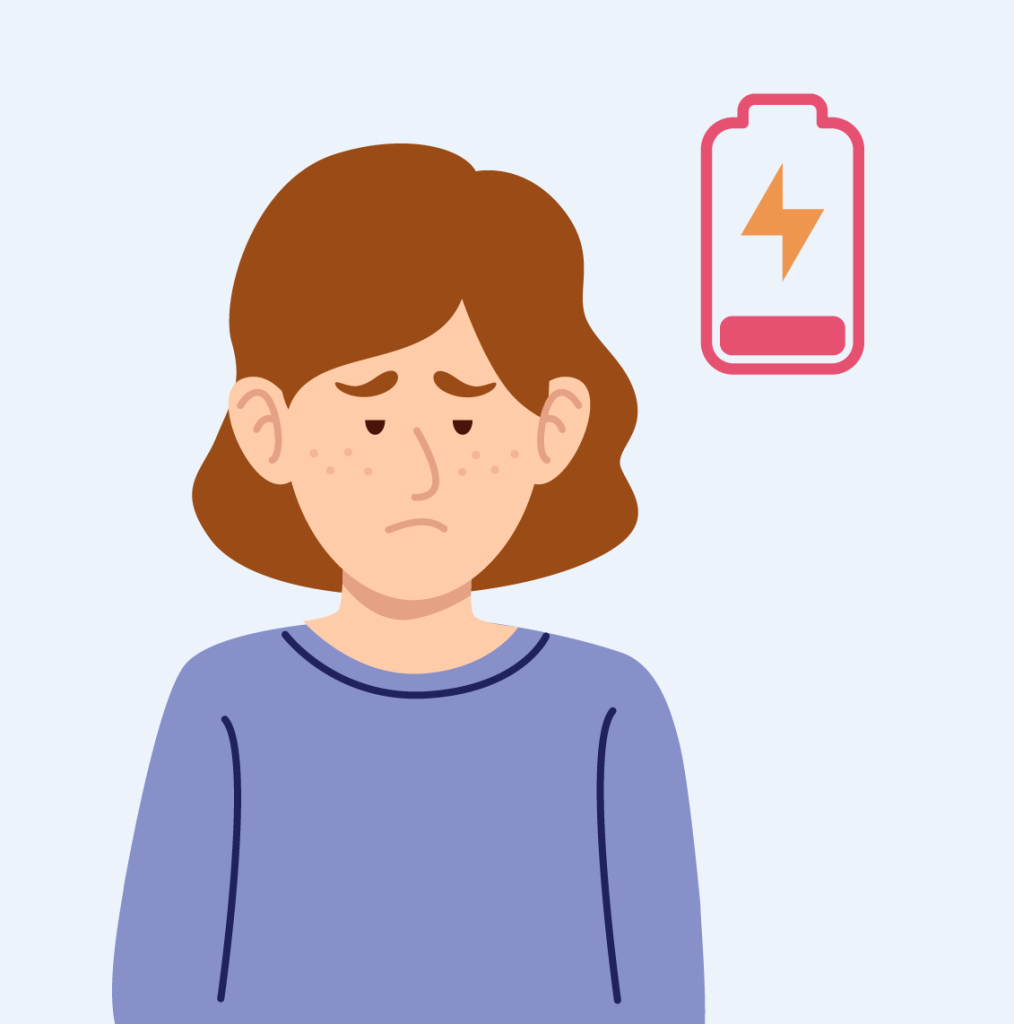
People with heavy periods may also suffer from Iron Deficiency Anemia, with symptoms such as fatigue, dizziness or shortness of breath.
Learn more about Iron Deficiency here.
Heavy Period Symptoms
Do any of these symptoms apply to you? If so, you may suffer from Heavy Menstrual Bleeding.
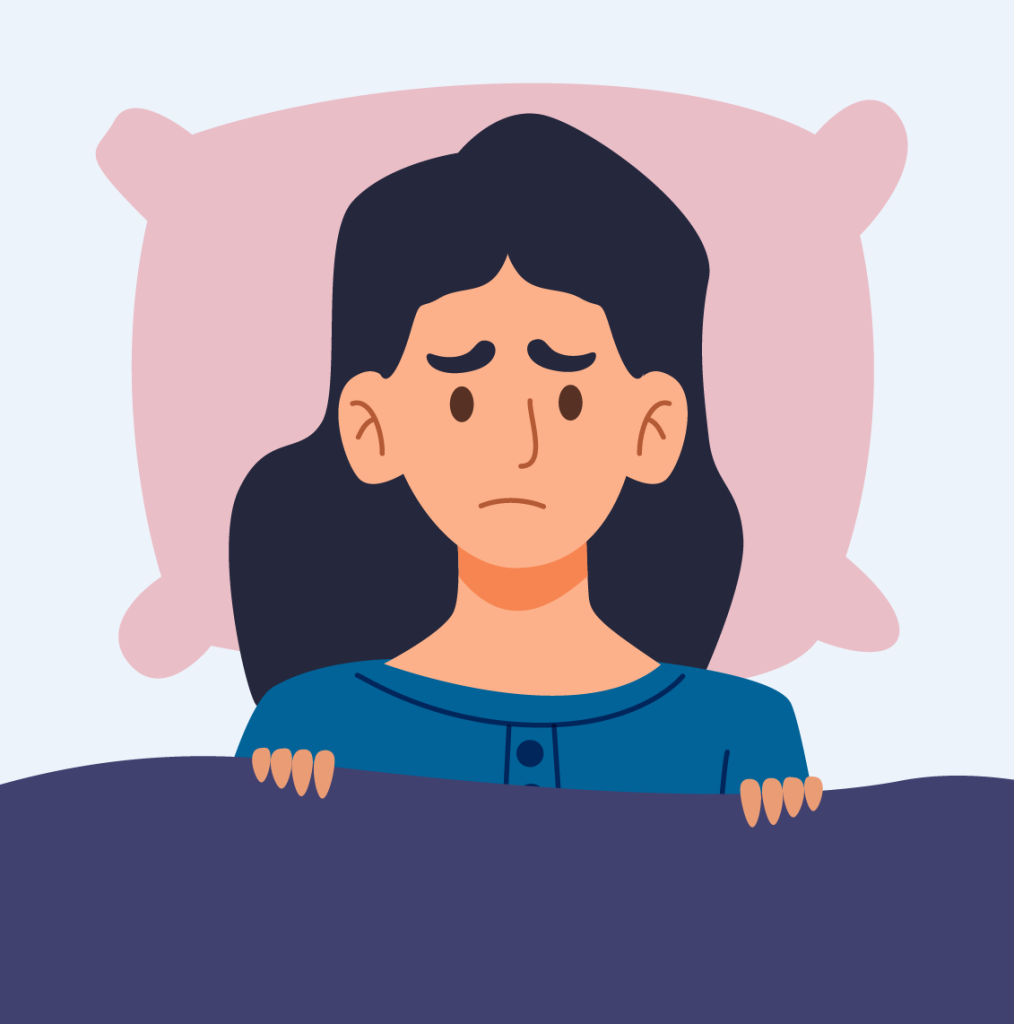
Having to change sanitary protection during the night
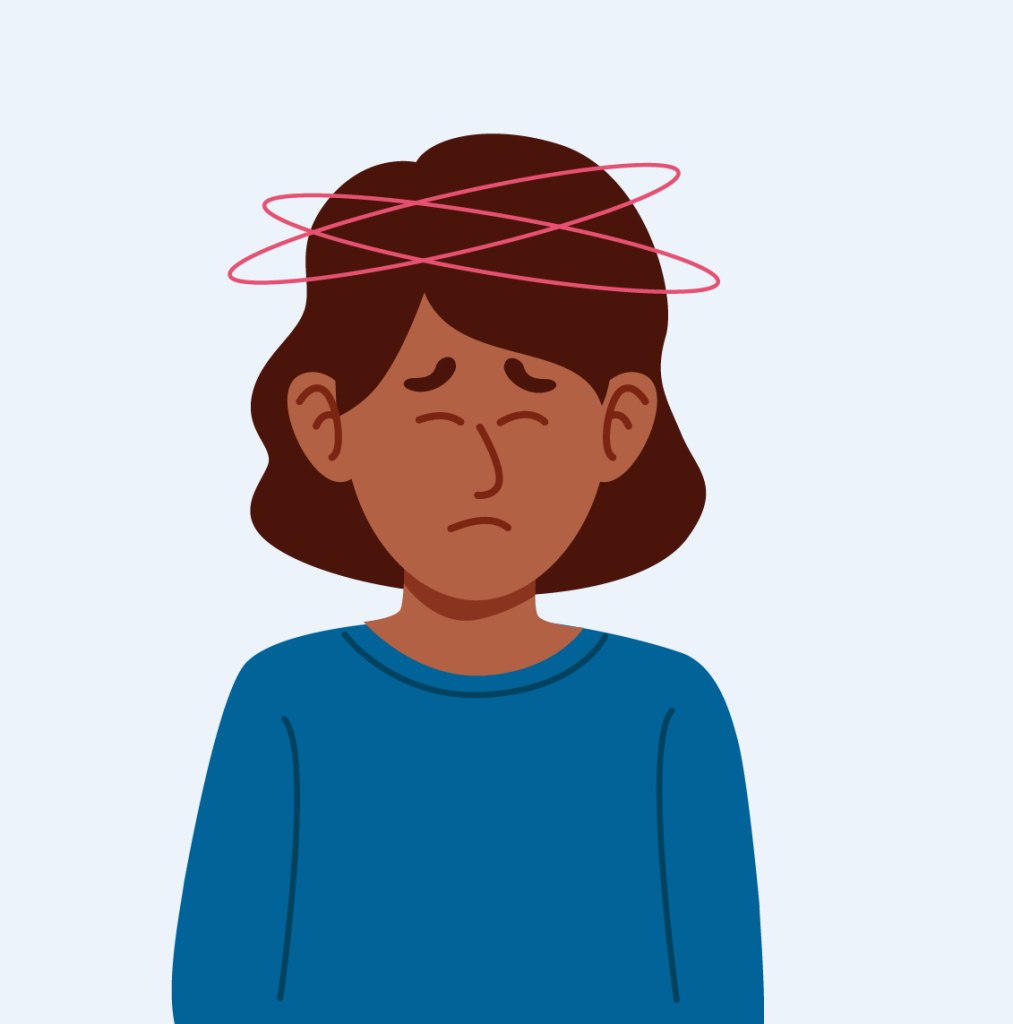
Feeling faint or breathless during a period
Organizing social activities or clothing around bleeding
Diagnosing Heavy Periods
- Blood Tests: These will include complete blood count (CBC), ferritin, and sometimes coagulation tests. These tests will help diagnose iron-deficient anemia.
- Pelvic Ultrasound: An external probe on your lower abdomen provides images of your pelvic structure. A transvaginal ultrasound may be completed at the same time, with your consent. In a transvaginal ultrasound, a probe is inserted into the vagina to better delineate the female reproductive organs.
- Additional tests are recommended based on age, symptoms, and individual risk factors.
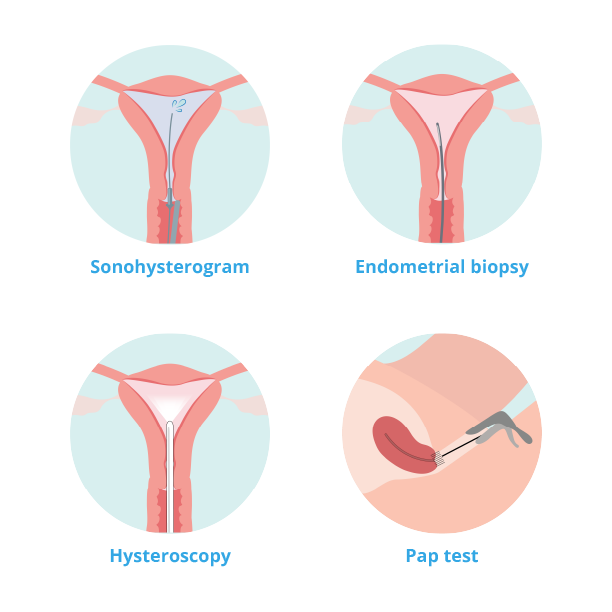
- Sonohysterogram: A procedure that typically involves insertion of a speculum, followed by injection of fluid through the cervix and into the uterine cavity. An ultrasound is completed at the same time, which provides a more detailed assessment of your uterus. Specifically, this test will tell your doctor about whether there are any structures in the cavity of your uterus contributing to post-menopausal bleeding.
- Endometrial Biopsy: A short office procedure during which a speculum is inserted into the vagina and a small pipelle is placed through the opening of the cervix, and into the uterus to take a sample of the lining of the uterus. Some people find this procedure uncomfortable and cannot tolerate having it done in the office. Your doctor may recommend a short procedure in the operating room under anesthesia instead.
- Hysteroscopy: This procedure, usually done in the operating room, involves a small camera being inserted through the vagina, cervix, and into the uterus. Fluid is used to expand the cavity of the uterus. Hysteroscopy will let your doctor directly see the inside of the uterus. Your doctor may also take a sample of the tissue under direct visualization.
- Pap Test: An office procedure that involves a speculum examination. Your doctor will use a small brush to gently sample cells from the cervix so they can be checked for any precancer or cancer changes.
Medical Treatment Options
Non-Steriodal Anti-Inflammatory
- 20-50% reduction in menstrual bleeding
- Reduction in menstrual cramps and/or pain during period in up to 70% of patients
- No
- Most helpful for heavy bleeding associated with painful periods
- Can be used in combination with other medical treatments and while awaiting further investigations into causes of HMB
- Indigestion
- Worsening of asthma
- Gastritis
- Peptic ulcers
Tranexamic Acid
- 40-59% reduction in menstrual bleeding
- Tranexamic acid has no contraceptive action. It is only taken during menstrual bleeding days.
- Most helpful for heavy bleeding without significant pelvic pain or structural causes.
- Tranexamic acid can be used in combination with other medical treatments and while awaiting further investigations into causes of HMB
- Tranexamic acid is not used for treating associated menstrual cramps or painful periods
- Indigestion
- Diarrhea
- Headaches
- Leg cramps
Levonorgestrel IUD
- 70-97% reduction in menstrual bleeding
- Absence of menstruation (amenorrhea) experienced by 20-80% of patients after 1 year of use
- LNG-IUS use is associated with reduction in menstrual cramps and/or pain during period
- Yes
- Most helpful for heavy bleeding without significant pelvic pain or structural causes.
- May not be ideal for patients with a distorted uterine cavity, such as those with multiple fibroids that are positioned near or in the uterine cavity
- Irregular bleeding during the first 6 months
- Breast tenderness
- Acne
- Cramping
- Headaches
Combined Hormonal Contraceptive
- 20-50% reduction in menstrual bleeding
- CHC use associated with reduction in pain during period (dysmenorrhea) and pre-menstrual symptoms
CHCs may also provide menstrual regularity
- Yes
- CHCs have no impact on future fertility
- Breast tenderness
- Mood changes
- Fluid retention
- Breakthrough bleeding
Progestin (Cyclic Oral)
- Up to 87% reduction in menstrual bleeding.
- Absence of menstruation (amenorrhea) experienced by 20-80% of patients after 1 year of use.
- No.
- This medication may temporarily reduce the ability to conceive while taking it.
- May reduce ability to conceive while on treatment (may not be appropriate for those trying to conceive)
- Most helpful for hormonally mediated heavy bleeding, especially when estrogen is not appropriate.
- Breast tenderness
- Mood changes
- Bloating
- Acne
- Headaches
- Weight gain
Progestin (Injectable)
- 70-97% reduction in menstrual bleeding.
- Absence of menstruation (amenorrhea) experienced by 20-80% of patients after 1 year of use.
- Yes
- Return to fertility may be delayed after stopping treatment.
- Most helpful for heavy bleeding when long-term menstrual suppression is desired.
- Irregular bleeding
- Breast tenderness
- Weight gain
- Mood changes
- Decreased bone mineral density
GnRH Agonists
- Amenorrhea experienced by up to 89% of patients within 3-4 weeks of first injection
- No
- May not be appropriate for those trying to conceive.
- Most helpful for heavy bleeding related to fibroids or endometriosis.
- Hypoestrogenic symptoms (hot flashes, night sweats, vaginal dryness)
- Bone pain
- Loss of bone mineral density
- Mood changes
GnRH Antagonists (Access handout here)
GnRH Antagonist Combination Therapy
- Pills taken by mouth
- Improves pain from endometriosis
- Decreases periods
No
- use condoms or non-hormonal intrauterine device for contraception
- Most helpful for heavy bleeding related to fibroids or endometriosis.
Nausea, headache, hot flashes and mood changes
What Is Iron Deficiency?
Iron is an important component of hemoglobin, a protein in red blood cells that transports oxygen around the body.
When your body does not have enough iron, your hemoglobin levels can drop below normal, and your organs are unable to get the right amount of oxygen they require. This condition is known as Iron Deficiency Anemia.
It is the most common form of anemia. Iron Deficiency can lead to many symptoms and impair your ability to do normal daily activities.
Iron Deficiency Anemia Symptoms
If any of the following symptoms apply to you, you may have Iron Deficiency or Iron Deficiency Anemia.
Conditions for Diagnosis
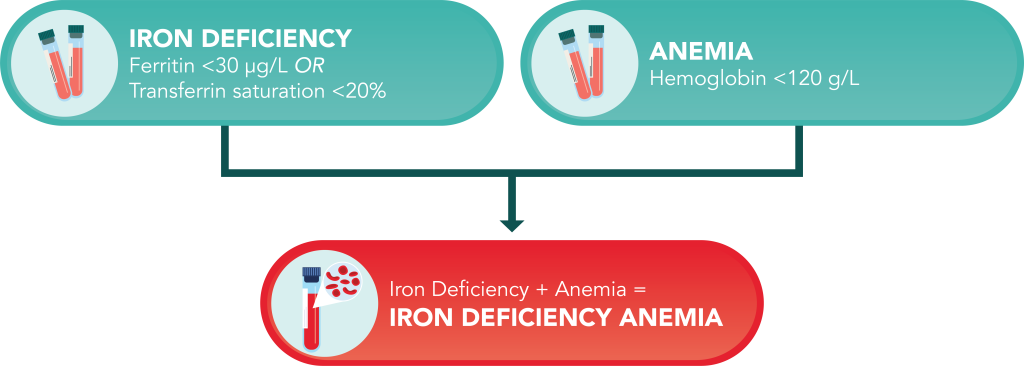
- Ferritin <30 ug/L OR Transferrin saturation <20%
- Hemoglobin <120 g/L
- The presence of both iron deficiency and anemia
Medical Treatment Options
Treatment for heavy menstrual bleeding depends on the most likely cause of bleeding, test results, and personal preferences. Different treatments work better for different causes.
Oral Iron
- Over the counter (no prescription required)
- Available as pills, capsules, drops, and extended release tablets
- Dosing varies depending on iron preparation and individual patient considerations
- Dark stools
- Stomach discomfort
- Nausea
- Diarrhea
- Constipation
Intravenous Iron
- Rapidly delivers iron into the bloodstream
- Subsidized by many individual healthcare plans
- Notify your doctor about any medications you take, and if you are in the first trimester of pregnancy, have had reactions to iron injections or infusions in the past, have liver disease or abnormal liver function test results, or have any new or ongoing infections.
- Headaches
- Muscle or joint pain
- Feeling sick or vomiting
- Changes in taste (i.e. metallic)
- Changes in blood pressure or pulse
- Irritation at injection site
Preparing for Surgery
It is ideal for people to go into surgery with a hemoglobin level
greater than 120 g/L.
If You Are Preparing for Surgery
Importance of Treating Anemia
Frequently Asked Questions About Heavy Periods & Iron Deficiency Anemia
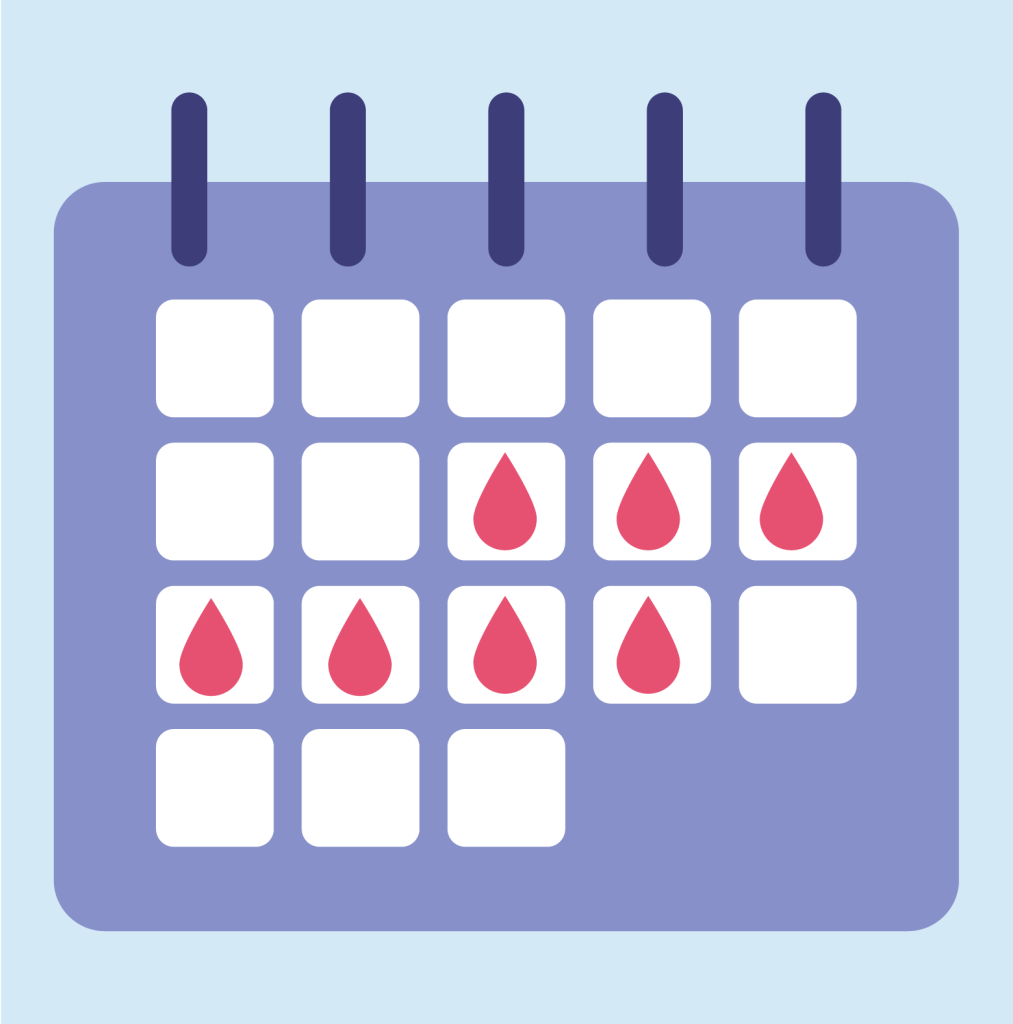
Heavy menstrual bleeding (HMB) is defined as excessive blood loss that interferes with daily activities. Periods may last longer than 7 days or you might need to change out your pad or tampon frequently throughout the day.
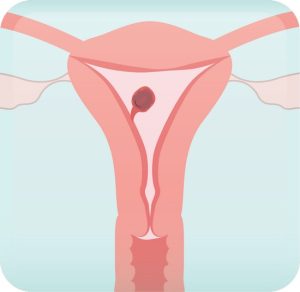
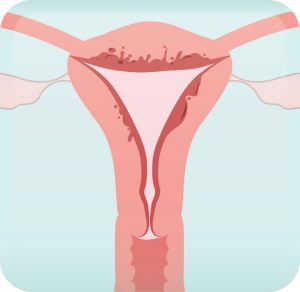
Structural causes such as:
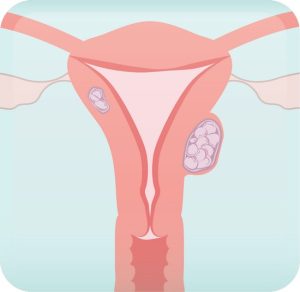
Fibroids and polyps – benign (non-cancerous) growths
Adenomyosis – when the lining of your uterus grows into the muscle wall of the uterus
Endometriosis – when tissue similar to the tissue that lines your uterus also grows outside your uterus
Other medical conditions such as:
- PCOS (polycystic ovarian syndrome)
- Blood clotting disorders such as von Willebrand’s
- An underactive thyroid gland
Medicines or treatments such as:
- Copper IUDs
- Blood thinning medications
- Some chemotherapies
Rarely, pre-cancer or cancer of the uterus, particularly in people with risk factors
It can also happen without any identifiable cause
HMB can be caused by hormonal imbalances, uterine fibroids, polyps, adenomyosis, endometriosis, bleeding disorders (such as von Willebrand disease), medication effects, or rarely pre-cancer or cancer of the uterus (an uncommon cause but important to rule out in those with risk factors). It can also happen without any identifiable cause.

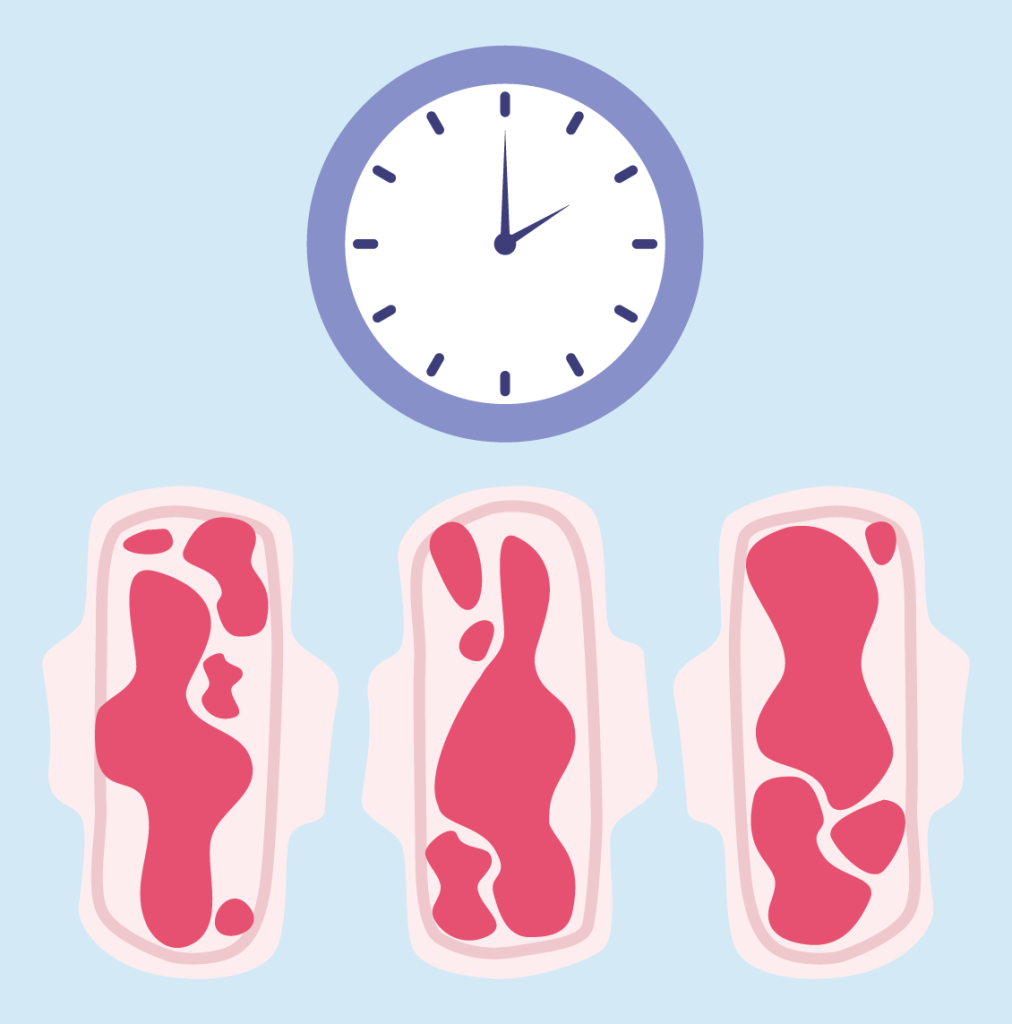
If you have severely painful periods, or pass large clots. You may be struggling with a condition like fibroids or endometriosis. Seek urgent medical care if you feel faint, dizzy, short of breath, or are soaking through pads or tampons every hour for several hours in a row. Let your doctor know if your bleeding is heavy enough to disrupt daily activities.
Medication options include hormonal treatments (ie. combined hormonal contraceptives, progestin pills or injections, and the levonorgestrel IUD), as well as non-hormonal options such as tranexamic acid and NSAIDs. For patients who don’t want to or can’t take hormones, tranexamic acid and NSAIDs may provide relief.
Hormonal treatments are effective for many patients. However, effectiveness varies depending on the cause of bleeding and the treatment used. They help to regulate periods and reduce the volume of blood loss.
Yes. Non-hormonal options include medications like tranexamic acid to reduce blood loss and NSAIDs to manage pain and inflammation.
Surgery is usually considered when medications are not effective, not appropriate, or when a structural cause of bleeding (such as fibroids or polyps) is identified and not well-controlled with medication.
Potential side effects can vary, but typically include nausea, changes in weight, or spotting. Your provider will discuss these with you before treatment.
Results vary, but many patients report a noticeable improvement within one to three months of starting treatment. Your provider will monitor your progress and adjust as needed along the way.
If medications are ineffective, your doctor might recommend minimally invasive procedures or surgery to help address the cause of your bleeding. Your doctor can help you understand if these options are right for you.